
GHK-Cu and epitalon: what the evidence actually says
Two anti-ageing peptides with genuinely good mechanisms and genuinely oversold headlines. Where the famous “4,000 genes” number really comes from, why the MMP story runs the opposite way to how I told it on camera, and what happened when a London lab finally tested epitalon for itself.
In this article ▾
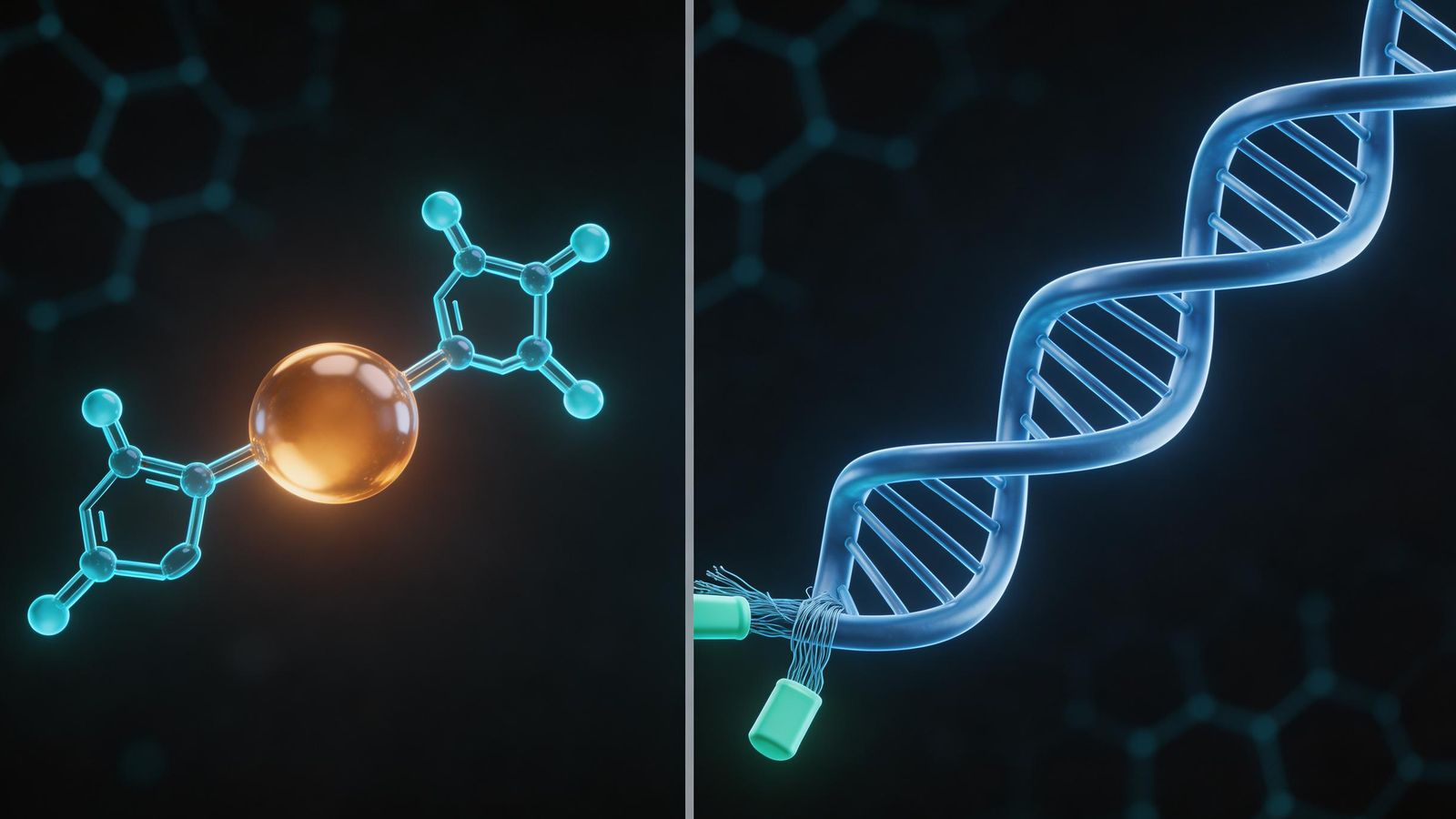
This is the written version of GHK-Cu & Epitalon: The Peptides They Call Immortality — watch it instead if you’d rather.
Anti-ageing skincare has a measurement problem, and it isn't the chemistry. Almost everything in it gets judged by a bathroom mirror at eight in the morning, the least reliable instrument ever built. Rub anything on your face for six weeks and you'll see an improvement, because you paid for one.
GHK-Cu and epitalon escape that trap, because both have specific, testable mechanisms — one a copper-carrying tripeptide your blood already makes, the other a four-amino-acid fragment that pokes at the enzyme rebuilding the ends of your chromosomes. So the question was never whether they do anything. It's whether what they do is anywhere near the size of what they get sold as. I walk through this on camera above; here's the longer version, including two places I got wrong.
GHK-Cu: what the landlord actually does
Picture your skin after four decades of sun and stress: a rental at the end of a long tenancy. Collagen thinned, elastin frayed, nobody rebuilding. GHK-Cu is the landlord who turns up, kicks out the trash and issues work orders. Right, let's look at the actual engineering.
GHK — glycine, histidine, lysine — is a tripeptide that occurs naturally in human plasma, isolated from blood in the early 1970s. The same sequence sits inside the alpha-2 chain of type I collagen, so damaged tissue can release it as a by-product of its own demolition. That's the elegant part: a signal that structure has broken down, so more structure gets ordered. A 1988 paper in FEBS Letters showed GHK-Cu driving collagen synthesis in fibroblasts at vanishingly small concentrations.
The copper isn't decoration. GHK grabs it with an affinity comparable to the copper-transport site on albumin — hence the crush — and copper is the mandatory cofactor for lysyl oxidase, the enzyme that welds collagen and elastin into load-bearing cross-links. Make an animal copper-deficient and lysyl oxidase activity drops. Loose strands versus welded fabric. Real mechanism, not marketing.
Plasma GHK does fall with age, too — reported at roughly 200 nanograms per millilitre in your twenties, about 80 by sixty. One flag: those figures trace to a small original dataset, quoted forward ever since rather than re-measured.
The 4,000 genes claim, and what it actually is
Here's the number doing the heavy lifting in every GHK explainer, mine included: it alters the expression of over 4,000 human genes. Startling claim. Where does it come from? The Broad Institute's Connectivity Map — a public library of gene-expression fingerprints, built by dosing cells with thousands of compounds and logging what moved. Someone looked GHK up in it. There, GHK shifted expression by 50% or more in about 31% of the genes on the chip, and the chip carried roughly 22,000 probes covering about 13,400 genes. Do the arithmetic and 31% is a bit over 4,000. The number is real.
Now here's the catch. Those readings came from three expression profiles in two cancer cell lines — prostate and breast. Not skin. Not fibroblasts. Not a person. It's a database lookup at one concentration, with a 50%-change threshold that's a convention, not a law. Nobody confirmed 4,000 functional effects; they observed 4,000 needles twitching. And the analyses that popularised the figure came from the biochemist who discovered GHK and also founded a copper-peptide skincare company. Not disqualifying — but the headline number and the commercial interest share an author.
Better evidence sits one shelf down. A 2012 study led from Boston University, in Genome Medicine, searched that same map for anything that could reverse the gene signature of emphysema-damaged lung tissue. GHK fell out of the search, and treating human fibroblasts with it reproduced the expected repair pattern. Unglamorous, uncommercial, far more persuasive.
The free beginner’s guide: the chemistry, maths and evidence ideas everything else rests on, explained from scratch. Comes with the other three free guides, for one email.
Get the free guidesThe buzzsaws — where I had it backwards
On camera I called MMPs — matrix metalloproteinases, the enzymes that chew up collagen — microscopic circular buzzsaws, and said GHK-Cu slaps a safety guard on them. Good image, wrong direction.
A 2000 study in Life Sciences from a French group ran the experiment directly: GHK-Cu on dermal fibroblasts increased MMP-2, message and secreted protein alike. It also increased TIMP-1 and TIMP-2, the inhibitors that switch the buzzsaws back off. Pickart's own review says the same: GHK raises metalloproteinases and antiproteases.
So it isn't a safety guard. It's a site foreman who books the demolition crew and the rebuild crew for the same morning — which is what remodelling means, because you can't lay fresh collagen into a matrix still packed with old damaged stuff. More interesting than the mechanism I described, and with an obvious caveat attached.
Both of these have a real mechanism. Neither has the evidence its marketing implies — and that gap is where all the money gets made.
Epitalon, telomeres, and the first replication that wasn't Russian
Epitalon is a synthetic tetrapeptide, four amino acids, modelled on a pineal gland extract. The pitch runs through telomeres: the plastic tips on your chromosomal shoelaces, fraying with every division until the cell stops dividing. Telomerase rebuilds the tips, and epitalon is meant to call that crew back to site.
The founding evidence is two short papers from Vladimir Khavinson's group in St Petersburg, 2003 and 2004, in the Bulletin of Experimental Biology and Medicine. Fetal lung fibroblasts, telomerase switched on, telomeres lengthened, cells pushed roughly ten divisions past where controls quit. Striking findings — in two pages, from one group, in a journal almost nobody outside the field reads.
Which is why the recent news matters. In 2025 a group at Brunel University London published an independent test in Biogerontology: epitalon on normal human fibroblasts and epithelial cells plus two breast cancer lines, measuring hTERT, telomerase activity and telomere length. In the normal cells, dose-dependent telomere lengthening through telomerase, exactly as advertised. In the cancer lines it ran a different route — ALT, the mechanism tumours use. The core claim survived contact with a Western lab, twenty-two years on. (A figure correction followed that November; conclusions unchanged.)
Note what that is and isn't. Cells in a dish, not a person, not a clinical outcome — and lengthening telomeres in cancer cells too is not a comforting footnote for a general tonic.
The catch: old trials, a bouncer that isn't the real bouncer, and a July vote
The human epitalon literature is thin and nearly all one lineage. The flagship is a 2003 paper in Neuro Endocrinology Letters: 266 elderly patients followed six to eight years on pineal and thymic peptide preparations, with substantially lower mortality. Extraordinary claim — never independently replicated, methodology thin by modern standards, obscure journal, every author from the institute that developed the compounds. That doesn't prove it wrong. It's a long way from evidence you'd act on.
Two more honest notes. The sleep story — epitalon "optimises your circadian rhythm" — is shakier than I made it sound. A Paris lab tested exactly that: the tetrapeptide on melatonin output from young and old rat pineal glands. No significant effect at any concentration, none on stimulated melatonin either, and Khavinson himself co-authored it. And "chromatin remodelling" is a very large phrase for what's been shown: tagged short peptides get into cell nuclei and bind preferentially to certain DNA sequences in a tube. Suggestive. Not the same as unzipping your genome.
Then the 500 dalton bouncer, which deserves correcting because the honest version is better. Dermatology has a rule of thumb that molecules much above 500 daltons don't cross intact skin. GHK-Cu weighs about 403, so size was never its problem. The problem is that it's water-loving and electrically charged, while the outer layer of your skin is a lipid brick wall built to repel exactly that. Passing the height check doesn't get you in if the bouncer dislikes the look of you.
Regulation moved while the video was live. On 24 July 2026 the FDA's Pharmacy Compounding Advisory Committee voted 7–5 in favour of adding epitalon to the list of bulk substances US compounding pharmacies may use — overriding the agency's own staff, who opposed it citing absent efficacy evidence and immunogenicity risk. That vote is a recommendation, not a rule; nothing changes until the FDA writes one. Topical GHK-Cu sits elsewhere entirely: cosmetics, where nobody has to prove a product works before selling it.
The bottom line
GHK-Cu is the stronger of the two by a distance: a molecule your body already makes, a defined copper-dependent mechanism, decades of wound-healing work behind it. What it lacks is proof it reaches the layer it needs to, and its famous gene number is a database lookup in cancer cells rather than 4,000 confirmed effects. Real compound, oversold headline.
Epitalon has had one genuinely good year in two decades — a Western lab reproducing the telomerase result in cells — on top of small, unreplicated, single-institute human trials and one experiment that went looking for the pineal effect and didn't find it. Interesting compound; nowhere near a settled one. None of which tells you to use either. It tells you where the evidence stops and the marketing starts, the only distinction here worth learning. This piece reflects the position as of late July 2026. Keep safe, keep skeptical.
Sources
- Maquart et al., Stimulation of collagen synthesis in fibroblast cultures by GHK-Cu, FEBS Lett, 1988 — https://pubmed.ncbi.nlm.nih.gov/3169264/
- Siméon et al., GHK-Cu stimulates matrix metalloproteinase-2 expression by fibroblast cultures, Life Sci, 2000 — https://pubmed.ncbi.nlm.nih.gov/11045606/
- Campbell et al., A gene expression signature of emphysema-related lung destruction and its reversal by the tripeptide GHK, Genome Med, 2012 — https://pubmed.ncbi.nlm.nih.gov/22937864/
- Pickart et al., The effect of the human peptide GHK on gene expression relevant to nervous system function, Brain Sci, 2017 (Connectivity Map methodology) — https://www.mdpi.com/2076-3425/7/2/20
- Dou et al., The potential of GHK as an anti-aging peptide, Aging Pathobiol Ther, 2020 — https://pubmed.ncbi.nlm.nih.gov/35083444/
- Bos & Meinardi, The 500 Dalton rule for the skin penetration of chemical compounds and drugs, Exp Dermatol, 2000 — https://pubmed.ncbi.nlm.nih.gov/10839713/
- Khavinson et al., Epithalon peptide induces telomerase activity and telomere elongation in human somatic cells, Bull Exp Biol Med, 2003 — https://pubmed.ncbi.nlm.nih.gov/12937682/
- Al-Dulaimi et al., Epitalon increases telomere length in human cell lines through telomerase upregulation or ALT activity, Biogerontology, 2025 — https://pubmed.ncbi.nlm.nih.gov/40908429/
- Djeridane et al., Effect of a synthetic pineal tetrapeptide (Ala-Glu-Asp-Gly) on melatonin secretion by the pineal gland of young and old rats, J Endocrinol Invest, 2003 — https://pubmed.ncbi.nlm.nih.gov/12809170/
- Khavinson & Morozov, Peptides of pineal gland and thymus prolong human life, Neuro Endocrinol Lett, 2003 — https://pubmed.ncbi.nlm.nih.gov/14523363/
- FDA, July 23–24 2026 Meeting of the Pharmacy Compounding Advisory Committee — https://www.fda.gov/advisory-committees/advisory-committee-calendar/july-23-24-2026-meeting-pharmacy-compounding-advisory-committee-07232026
Educational and research purposes only — not medical advice. Peptide Corner does not recommend any vendor, source, or dose. Keep safe, keep skeptical.

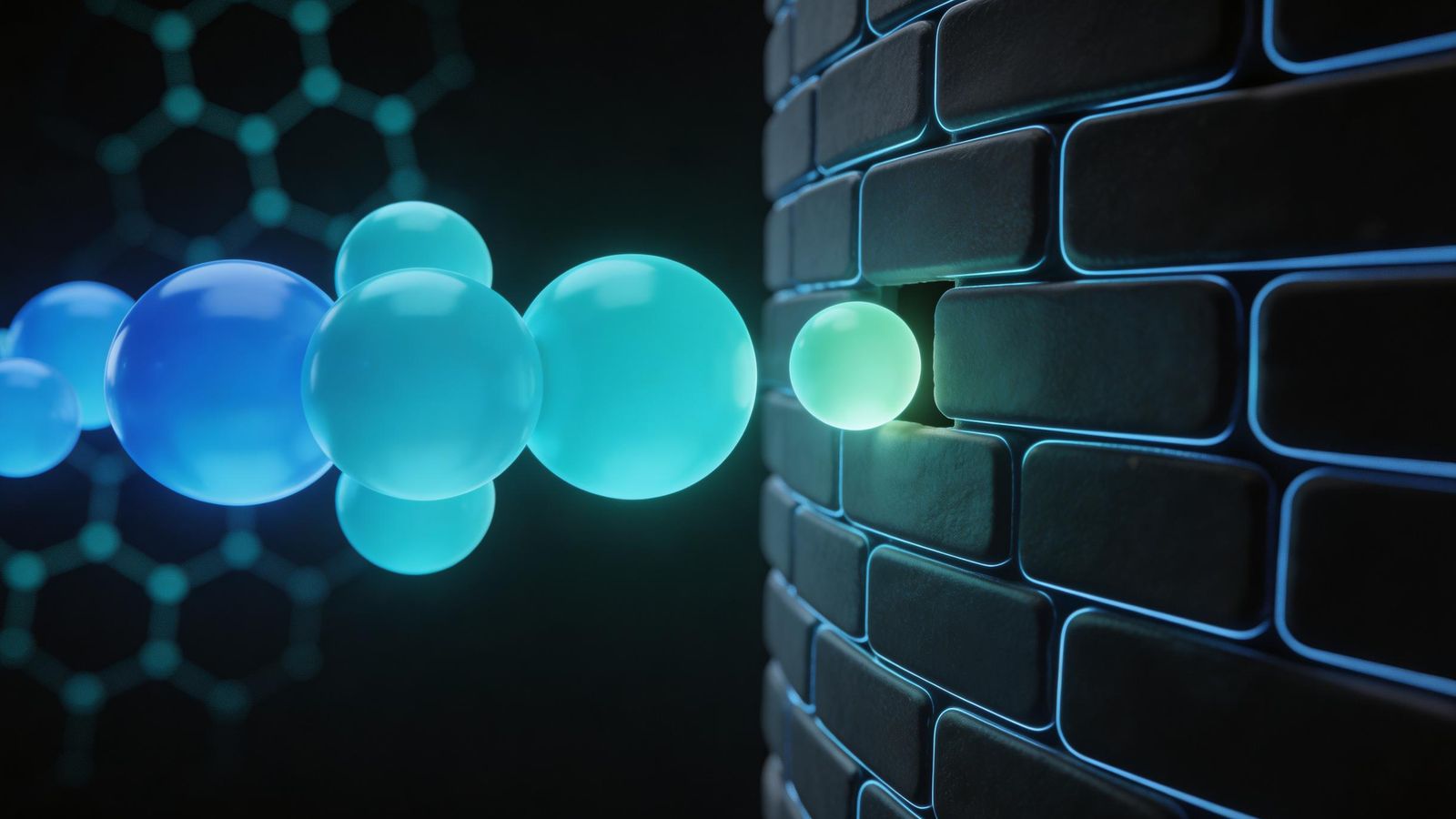
Peptides For Your Looks, Ranked By Evidence: Melanotan II, Argireline, Matrixyl, GHK-Cu And The GH Stack
Melanotan II, argireline, Matrixyl, GHK-Cu and the CJC-1295 plus ipamorelin stack, ranked on what has actually been measured rather than what gets claimed.
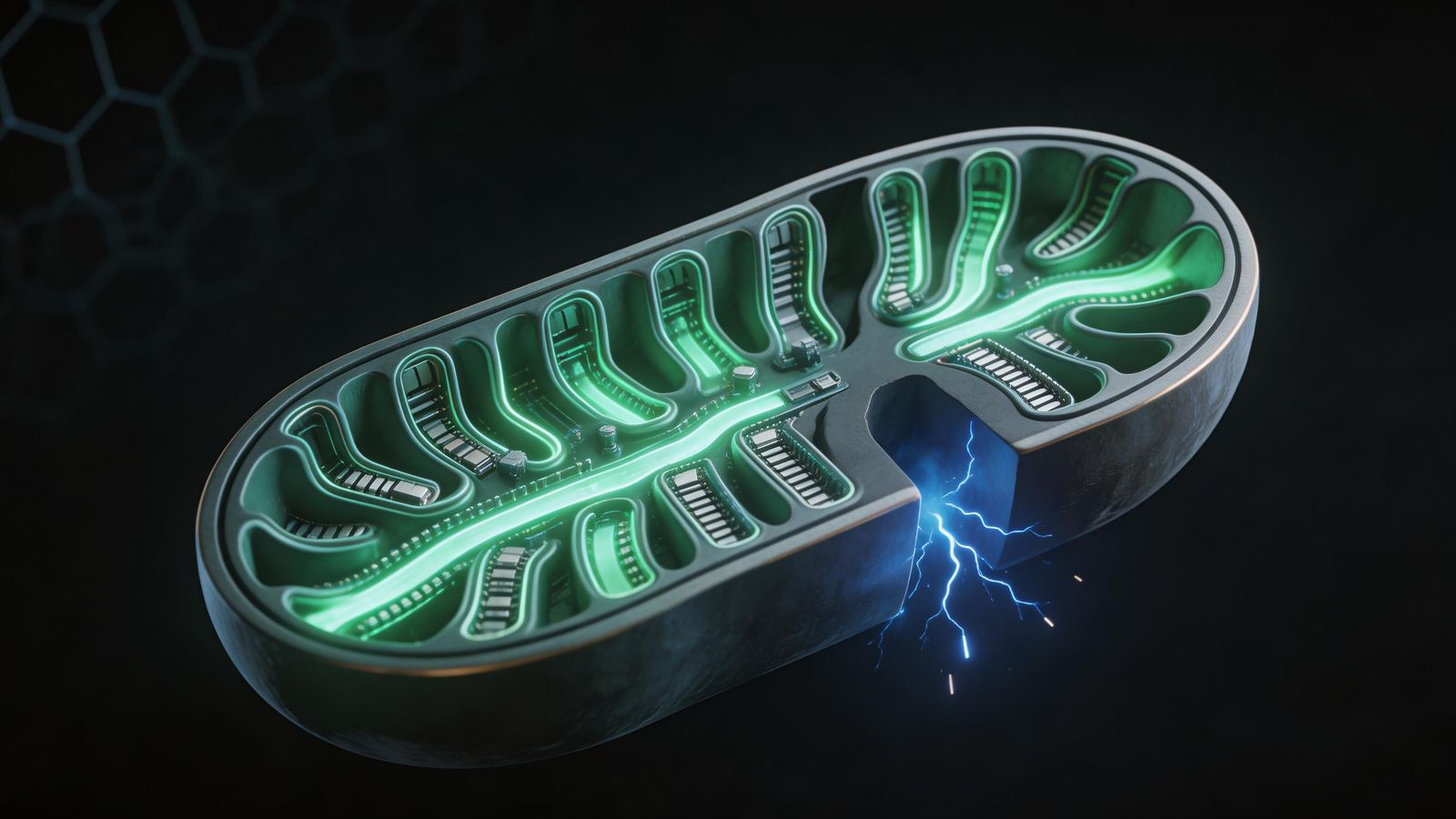
MOTS-c and SS-31: What the Mitochondrial Peptides Actually Do
MOTS-c and SS-31 target the mitochondria rather than your appetite — a beautiful mechanism with a much shakier evidence base than the hype admits.