Same breakdowns, in text you can skim, copy a line out of, and come back to six months later. Each one carries the video it came from and the sources behind it.
The three most recent write-ups.
This is not an article about being fooled. Nobody can tell these apart from the inside, me included. It is about credit, and about the one method that can actually assign it — plus the trial where the injection wins at six weeks and loses to doing nothing at a year.
None of the six is on the label you have read, because that label was written against a trial population that was never you. What is already in your system, what reserve means when it runs out, and the one entry on an approved label that matters the next time somebody sedates you.
It is the question I get more than every other question combined, and I have never once answered it. Not because YouTube is tying my hands, but because a name is a claim about a company and what arrives at your door is one batch. Here is the line of US federal regulation that proves the point, and what happened when somebody actually measured what was in the vials.
One peptide at a time, taken apart properly.
None of the six is on the label you have read, because that label was written against a trial population that was never you. What is already in your system, what reserve means when it runs out, and the one entry on an approved label that matters the next time somebody sedates you.
Ask whether peptides are safe and you get a shrug, a sales pitch, or a lecture. The reason is that the question is really four questions with four different answers, and only one of them comes back reassuring. Here is what the word costs to earn, and how far short the evidence falls.

CJC-1295, Ipamorelin and Sermorelin all work by asking your pituitary for more growth hormone — and all three run into the same hormone built to say no.
A synthetic fragment of a stress hormone, a solid rodent mechanism, and a human evidence base thin enough to fit in two paragraphs — here is what the paperwork on Semax actually supports, and what it still does not.
It arrives in a vial labelled peptide, and the sequence runs to 1,012 amino acids with seven glycosylation sites. That is not a long peptide. It is a different manufacturing category.

A triple agonist really did produce the biggest weight-loss figure this drug class has ever recorded. But that number is the top dose, after two years, with a real dropout rate — and a third of what the scale gives back isn’t fat.
Bremelanotide is one of the very few peptides carrying a real FDA label, which makes it the rare case where the hype can be checked directly against the trial data.
The withdrawal trials predicted post-GLP-1 rebound before anyone posted about it. Here is the real mechanism, the honest numbers, and why the boring fundamentals beat the peptide add-ons.
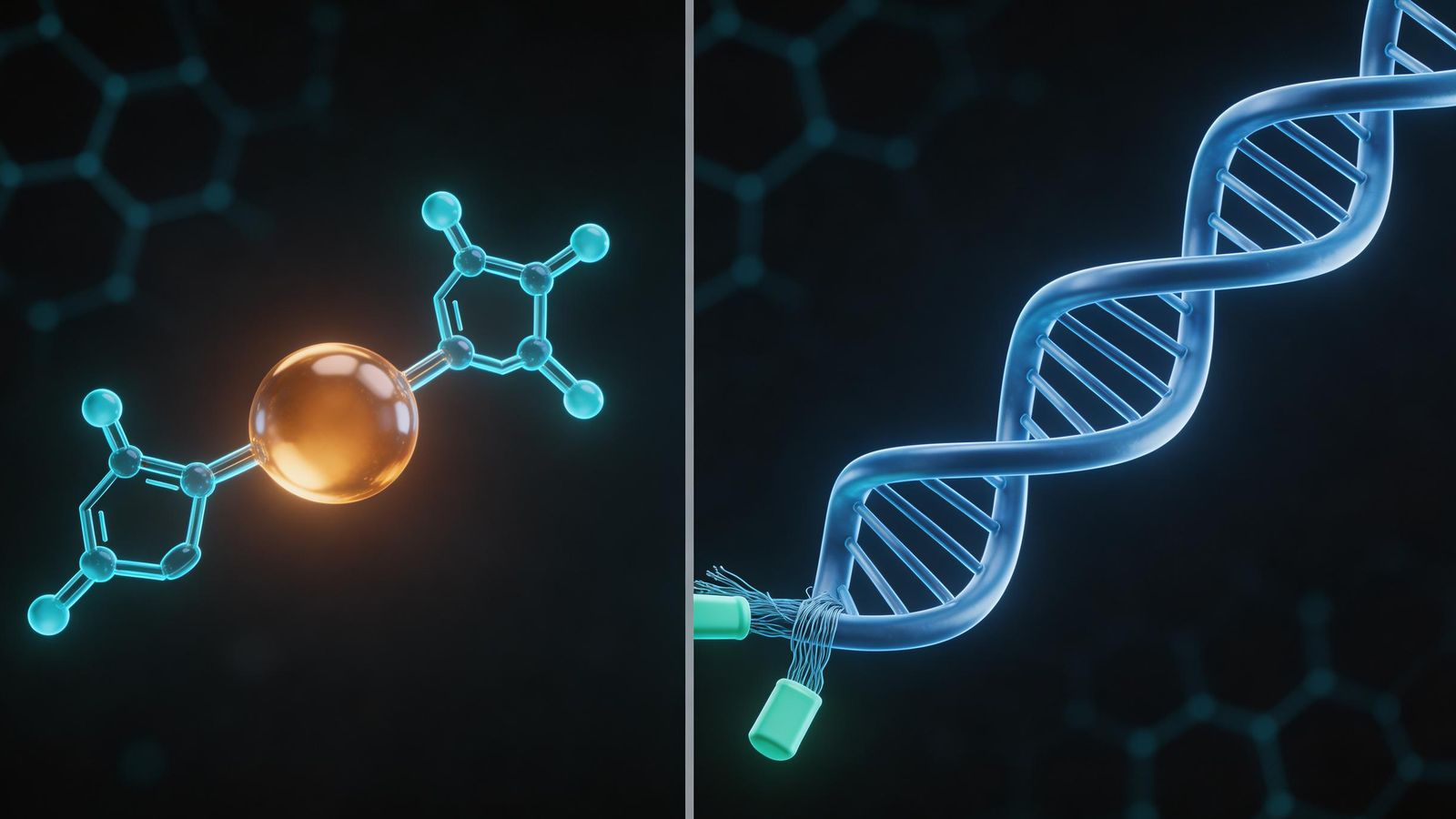
The copper peptide and the telomere peptide, graded honestly — real mechanisms, a database lookup masquerading as 4,000 effects, and a Russian trial record nobody has replicated.

TB-500 is not thymosin beta-4 — it's a seven-residue fragment with no human trials of its own, and a 2024 study suggests it may only work after your enzymes chop it up.
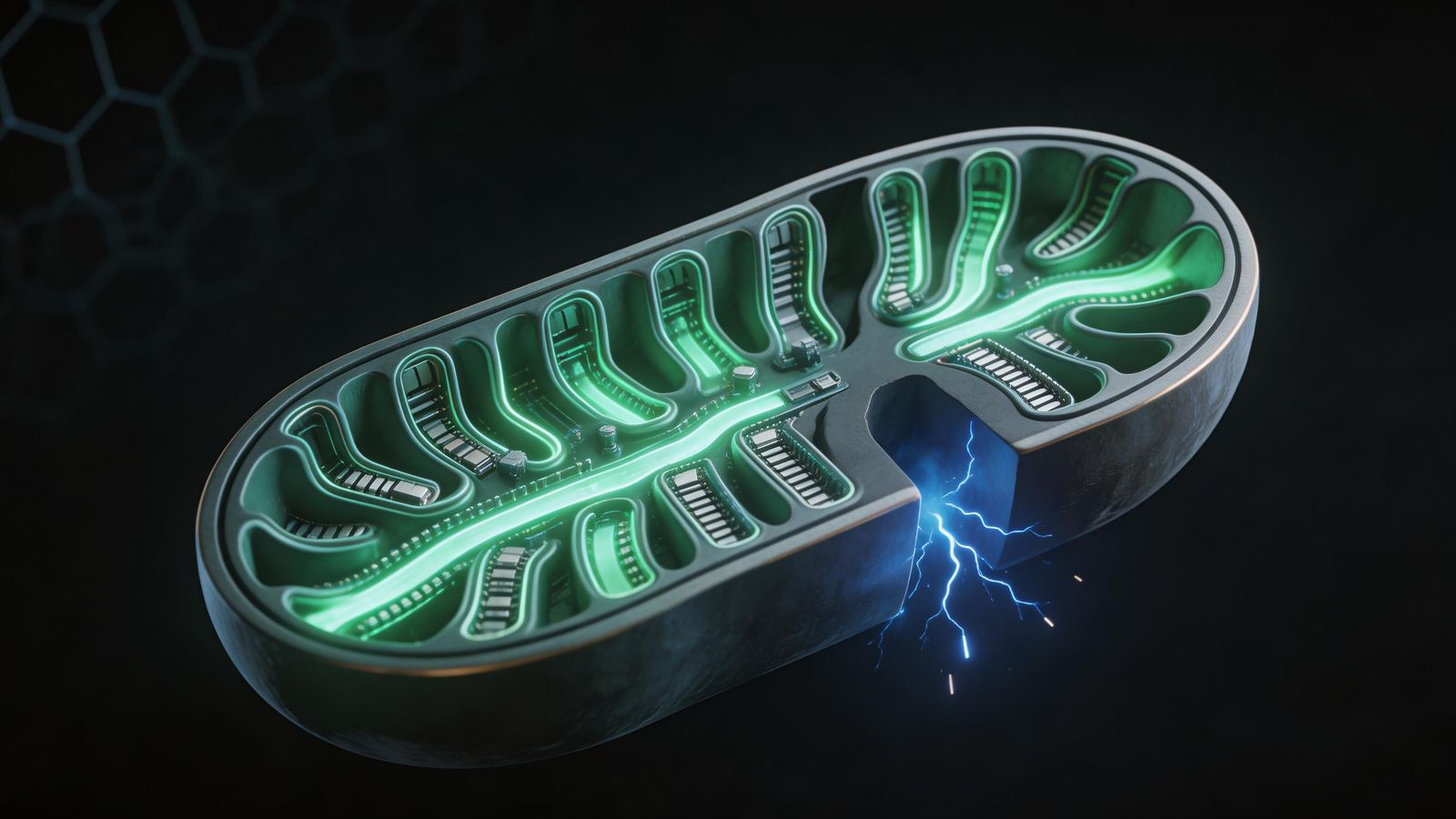
MOTS-c and SS-31 target the mitochondria rather than your appetite — a beautiful mechanism with a much shakier evidence base than the hype admits.
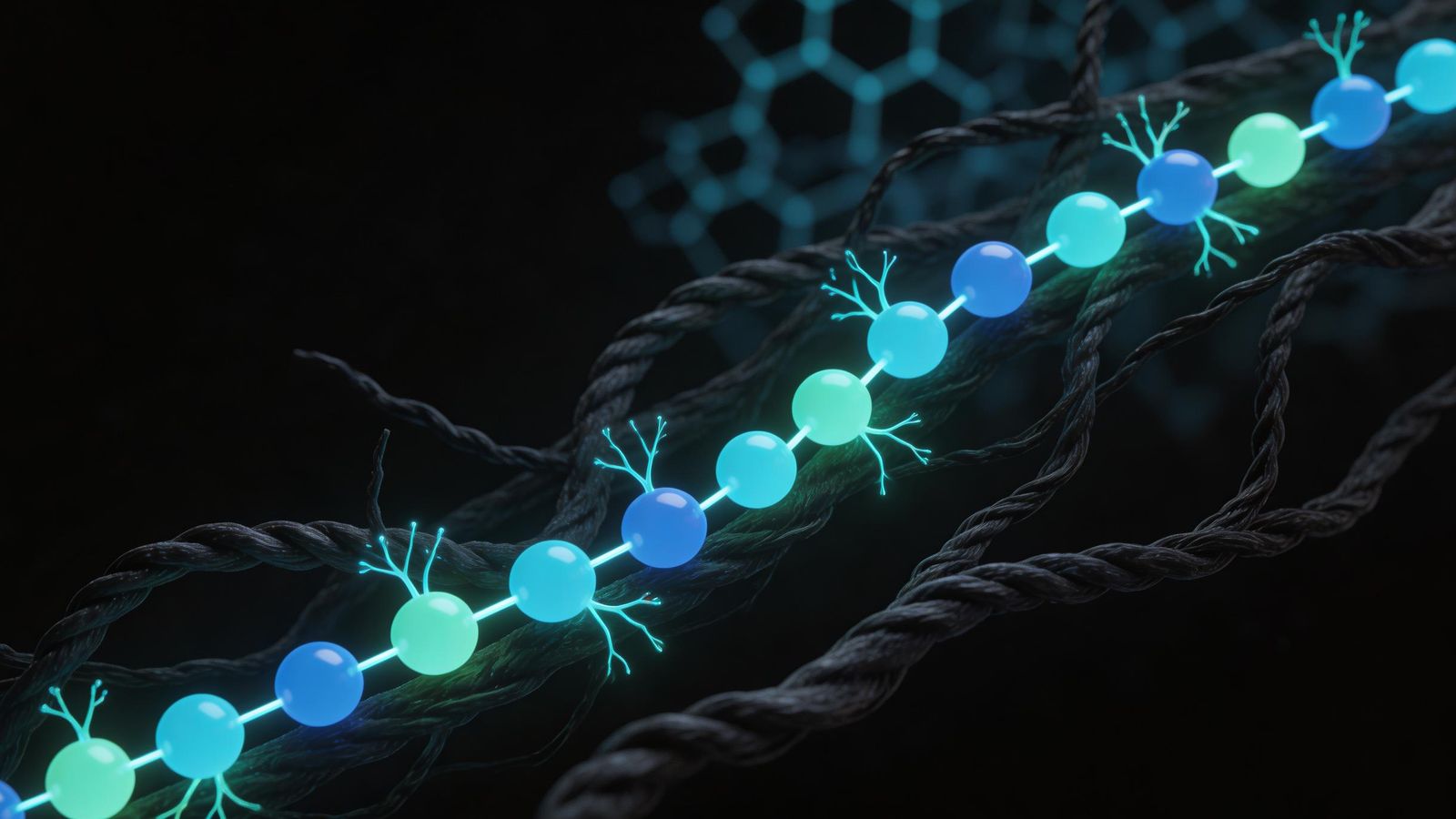
BPC-157 has spectacular animal data and almost no human data — here is the mechanism, the evidence, and the honest verdict as of late July 2026.
Reading a lab report, spotting a forged one, and judging the seller behind it.
It is the question I get more than every other question combined, and I have never once answered it. Not because YouTube is tying my hands, but because a name is a claim about a company and what arrives at your door is one batch. Here is the line of US federal regulation that proves the point, and what happened when somebody actually measured what was in the vials.

A peptide is assembled one amino acid at a time, and the yields multiply rather than add. What happens next, on the purification column, is the decision that actually sets the purity number.

Four systems can produce or handle a peptide. Each leaves a different paper trail, and one is built to leave nothing to check.

Same two amino acids, same formula, same mass — and two separate national drug registrations pointing opposite ways. The variable a purity number was never built to see.
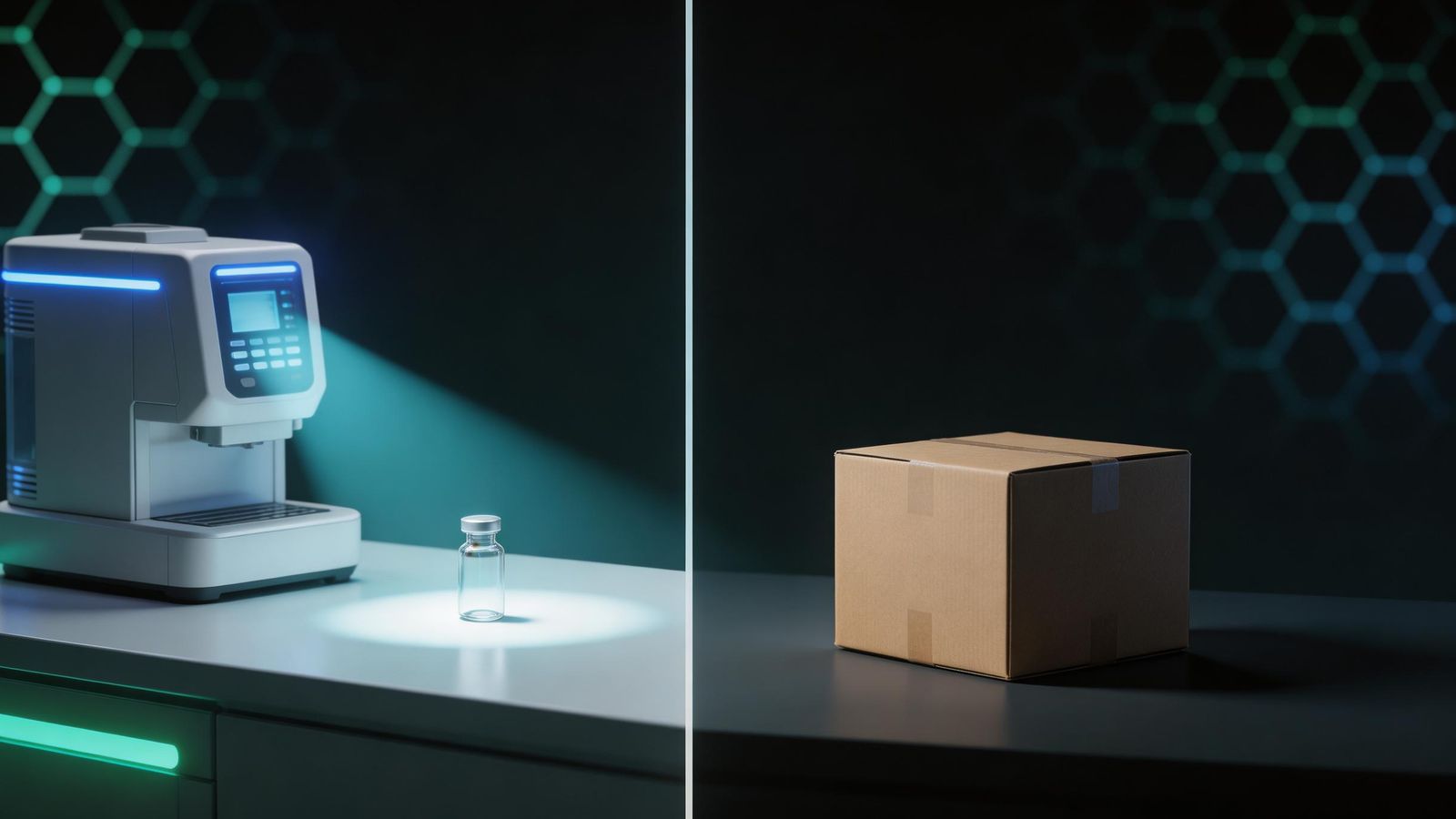
“Research use only” is not a quality standard — it is the mechanism that moves the entire quality function from an inspected factory onto the buyer.

A Certificate of Analysis is only as good as your ability to read it. Here’s the two-number test, the forgery tells, and why 99% purity can still mean you got shorted.
What heat, water, light and time do to a peptide between the factory and your fridge.
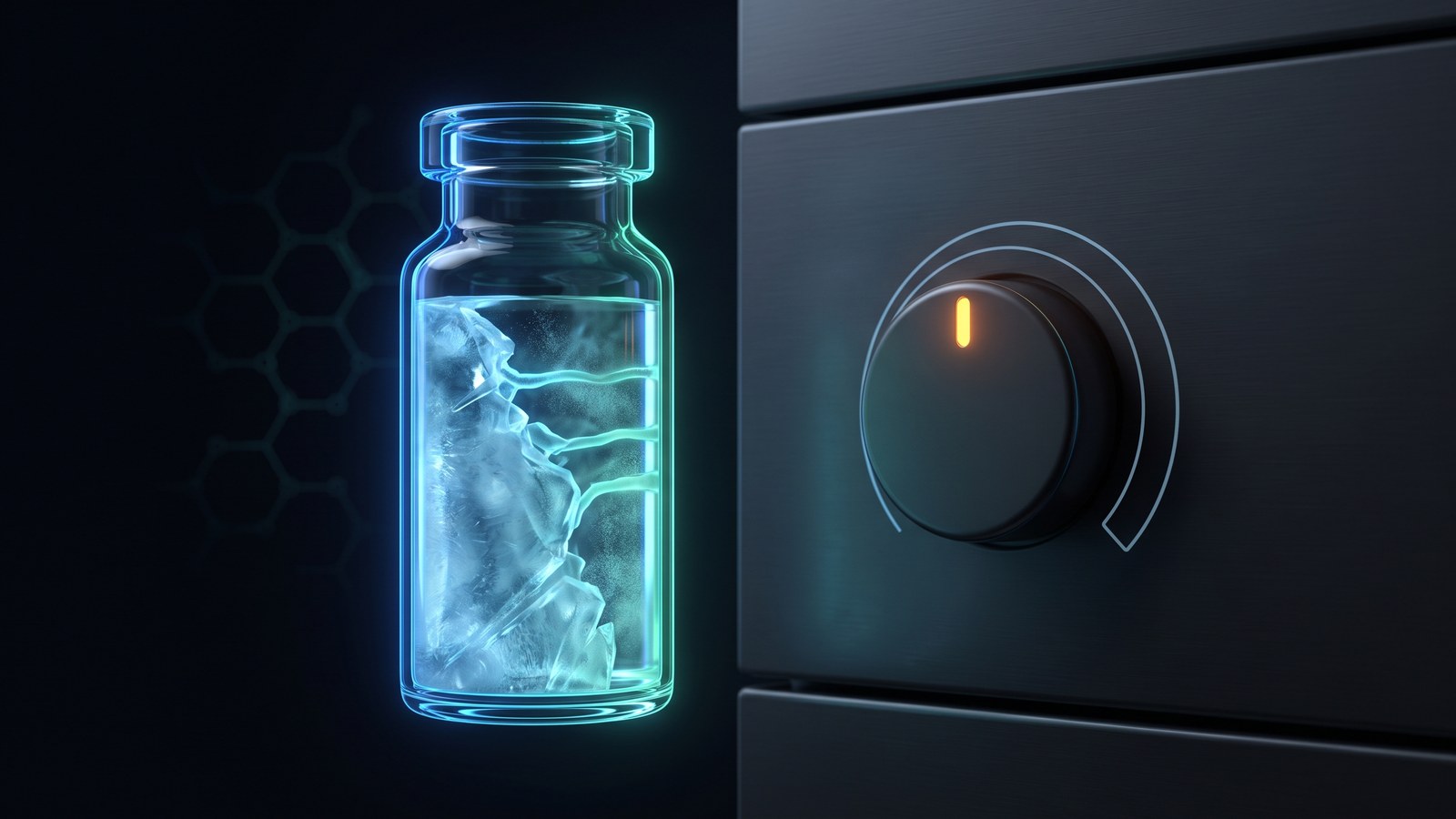
Ice doesn't tear a peptide apart, but freezing still sets off real chemistry: a concentrated pocket of liquid, a swinging pH, and a domestic freezer that's cold enough to start it and too warm to stop it. Here's what the evidence actually covers, what it doesn't, and why that gap matters.
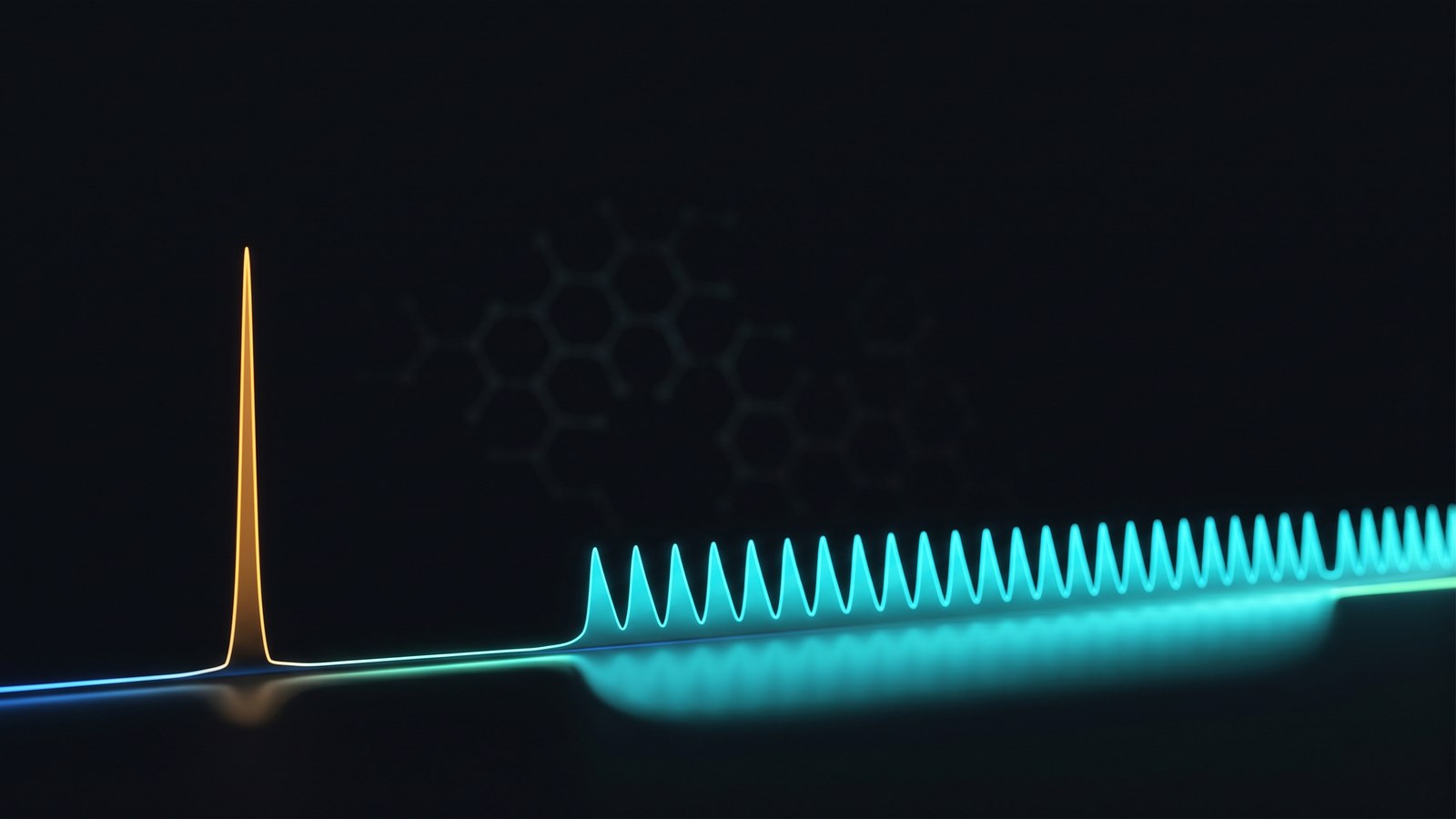
A melted ice pack is not a verdict. How the pharmaceutical industry actually measures heat exposure — and why the thing doing the damage is probably in your kitchen.
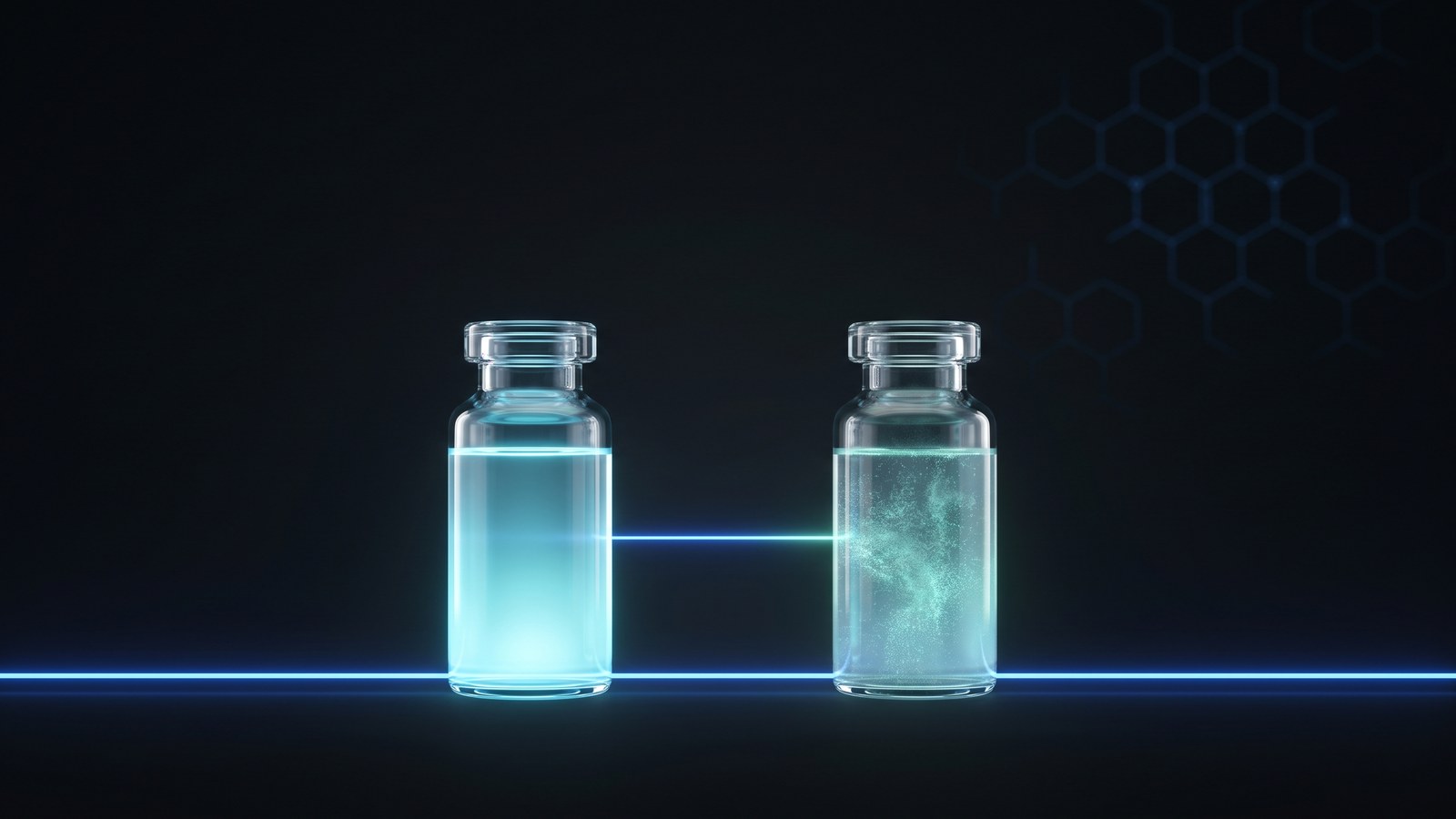
Cloudy, floaters, colour, smell — the four checks everyone runs. What visual inspection can and cannot detect, according to the people who do it professionally.

It is 28, not 30, and it is a sterility rule for a punctured vial — not a statement about your molecule. Where the number really comes from.
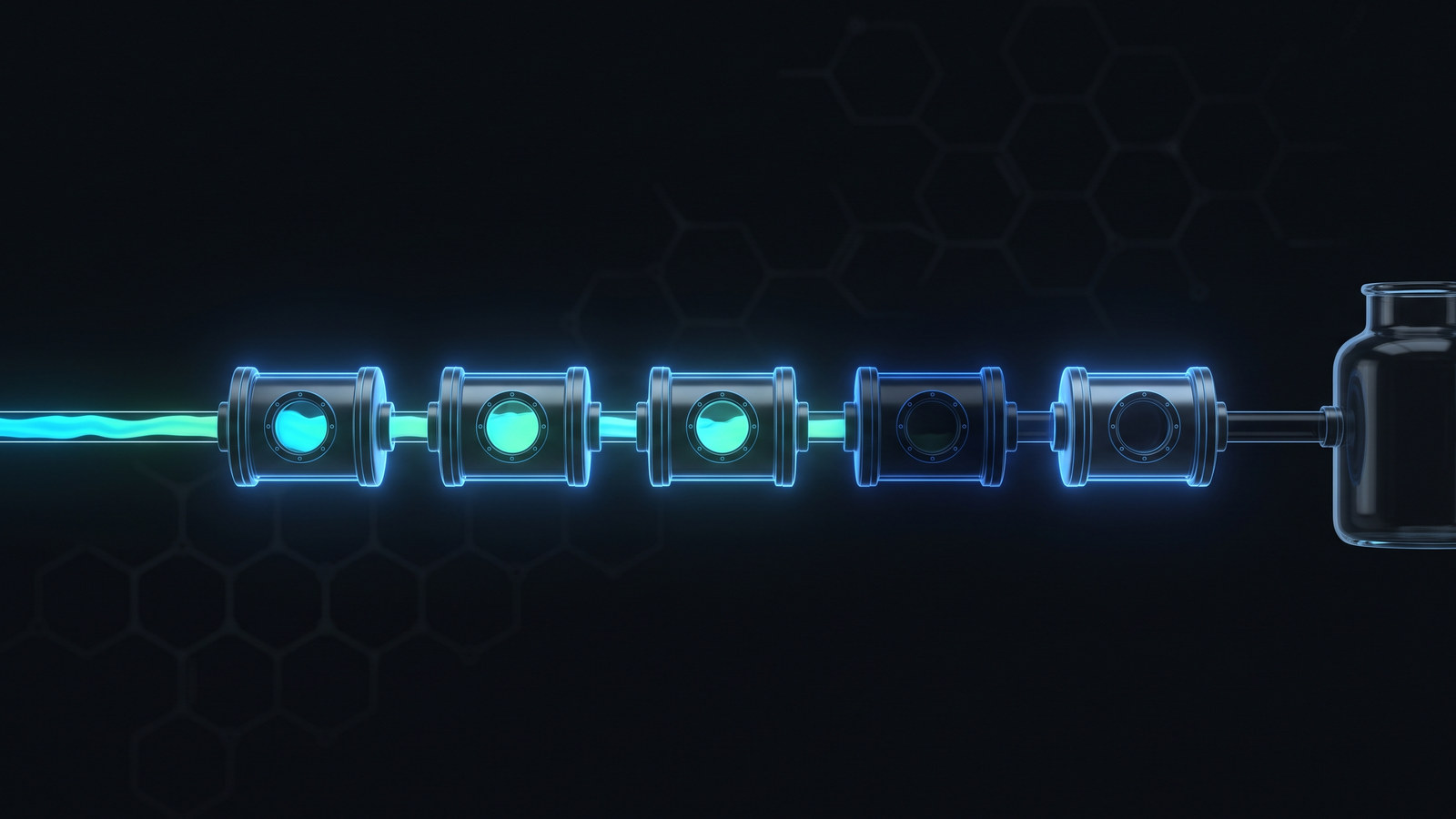
Before you write a compound off, rule out the five execution failures that explain most “it did nothing” reports — including the one that means your vial was already finished before it reached your fridge.
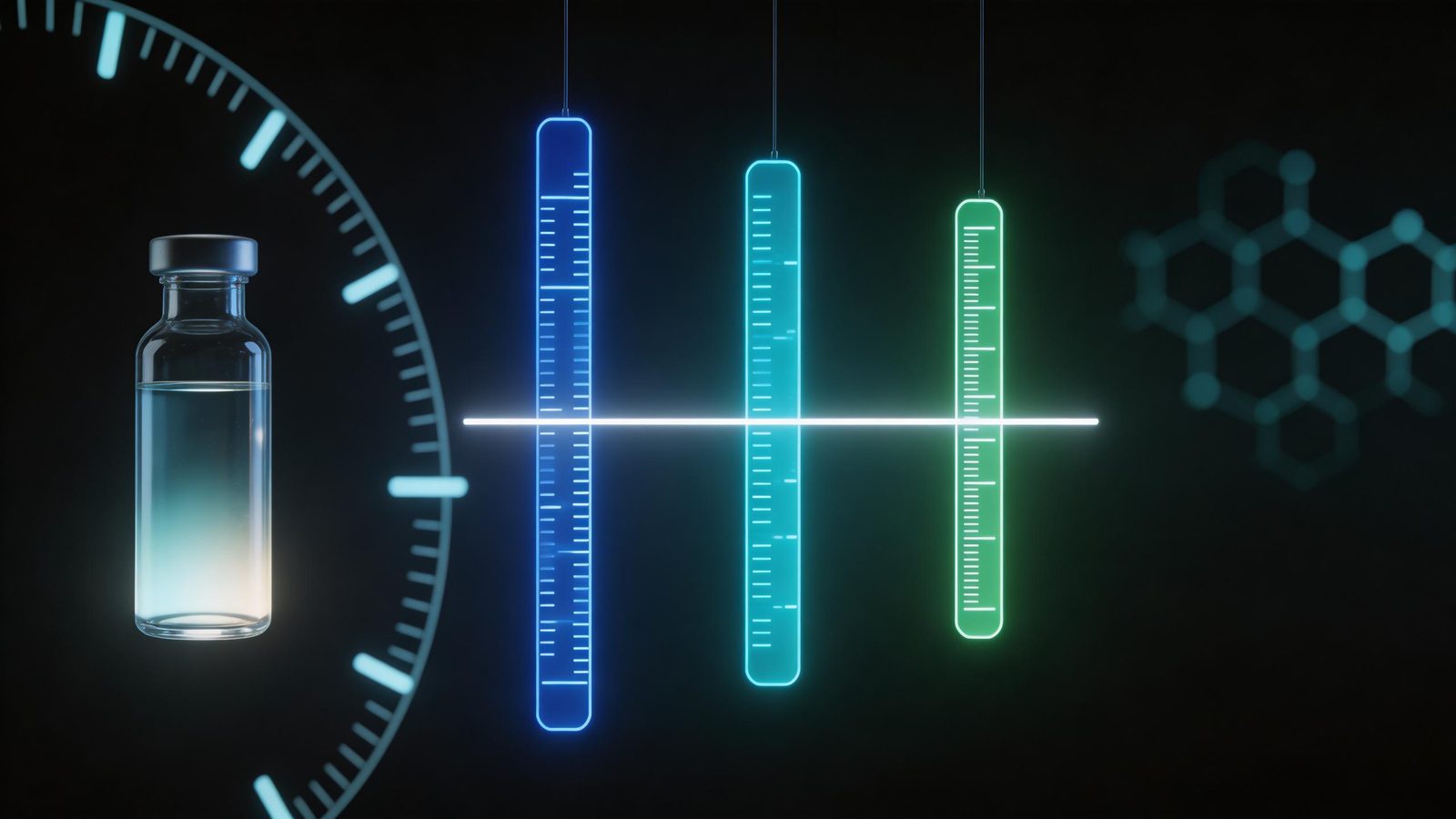
Milligrams, millilitres and syringe units are three scales for one vial — which is the whole reason the maths feels hard. Here is the ratio, the trap that doubles a dose without moving the plunger, and why degradation is the real constraint.
Judged on the strength of the published evidence, not on what sells.
This is not an article about being fooled. Nobody can tell these apart from the inside, me included. It is about credit, and about the one method that can actually assign it — plus the trial where the injection wins at six weeks and loses to doing nothing at a year.

One compound’s healing evidence is almost entirely animal data. The other’s only human trials are topical skin-ulcer studies. I read both files and went looking for a trial of the combination.
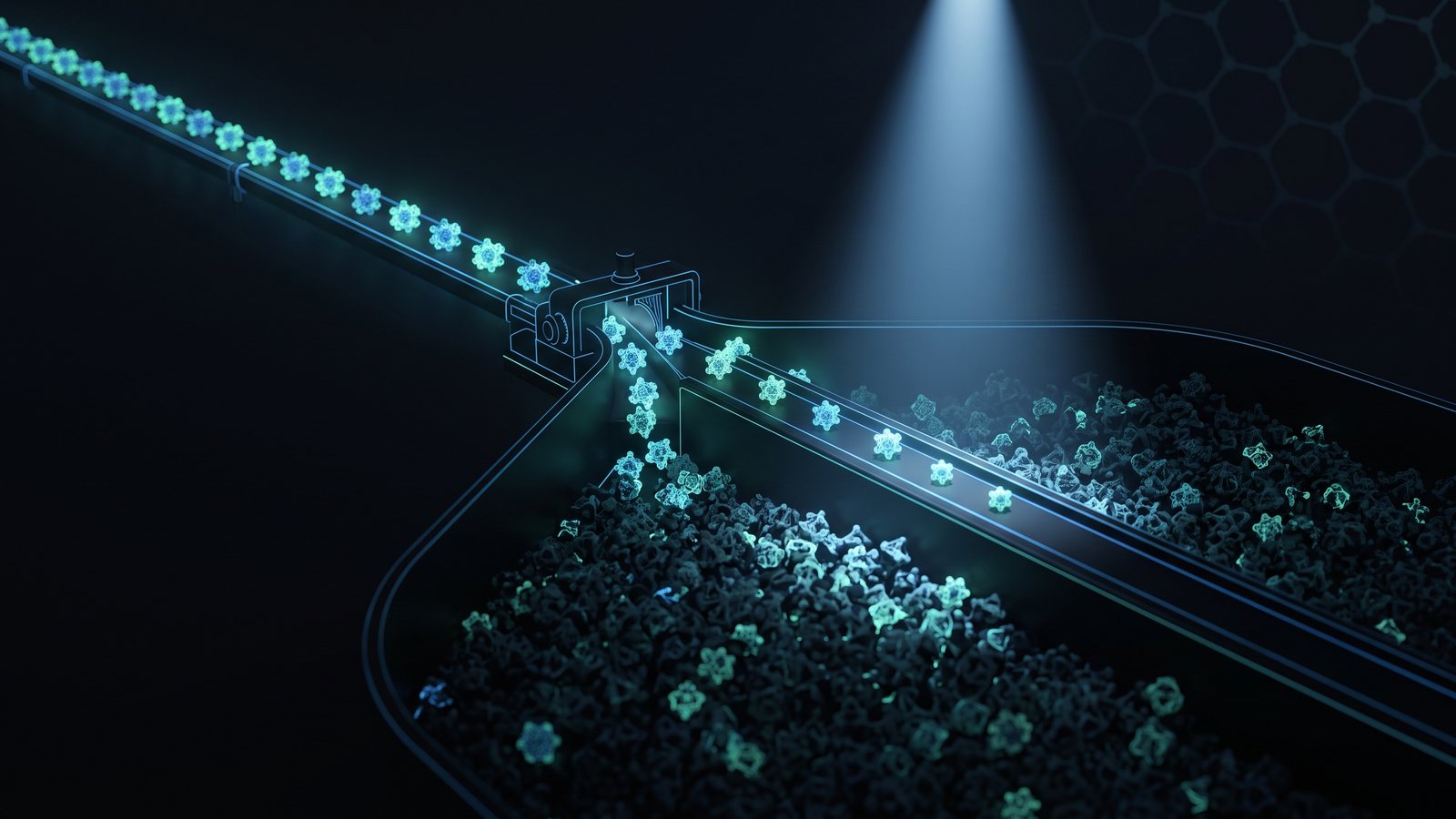
An independent analysis of more than six thousand samples found four in ten failed a basic purity or abundance standard. That is not an evidence problem. It is a manufacturing one.

It borrows the same target as an injected treatment, and one small trial found a real result. But at almost double the size limit for crossing skin on its own, Argireline runs into a wall before it ever reaches that target.
A real, decades-old drug with approvals abroad — and every trial ran in people who were already ill. Never once in anyone healthy.
A peptide named after delta sleep, with no confirmed mechanism and trials that argue with each other. Watch the effect shrink as the study design tightens.
A three-amino-acid scrap of the tanning hormone that quiets inflammation at tiny concentrations, rides a transporter that opens wider exactly where the damage is, and moonlights as an antibiotic. Now the part the hype skips.
Top 5s ranked on the evidence, not the hype.
Ranked not by hype but by how much real human evidence holds each one up. One was beaten by a saline injection, one has never been tested in a person, and the most effective thing on the list turns out not to be a peptide.

Melanotan II, argireline, Matrixyl, GHK-Cu and the CJC-1295 plus ipamorelin stack, ranked on what has actually been measured rather than what gets claimed.
Five gym-performance peptides ranked by what the evidence actually supports — including the hyperplasia claim I got wrong the first time round.
What changed, and whether it affects you.

A blank interactions field on a peptide's paperwork isn't a finding — it's an absence of obligation, and the two aren't the same thing.

The committee overruled the FDA’s scientific reviewers on six of seven peptides — and rejected the seventh. Inside the arguments, the one rejection that proves it wasn’t a rubber stamp, and why a vote is not a rule.
The FDA's compounding advisory committee backed six of seven peptides on 23–24 July 2026 — against its own reviewers. Here is what that vote does, and what it very much does not do.
Nothing matches that yet. Try a shorter word, or browse the videos →
Join the list and all four free guides come with it — Peptides, Plainly (the free beginner’s guide), the 12-Point COA Quick-Check card, the Peptide Storage Reality Check, and How to Read a Peptide Study Like an Engineer. After that it’s a short note when something new lands, and nothing else.
I’ve just sent a confirmation email to your address. Click the link in it and all four free guides land in your inbox straight away.
It may go to junk or spam. If it isn’t in your inbox within a minute or two, check your junk/spam folder — and Gmail’s Promotions tab. Mark it “not spam” so the guides actually reach you.
Nothing arrives at all? Email info@peptidecorner.net and I’ll send them over by hand.
